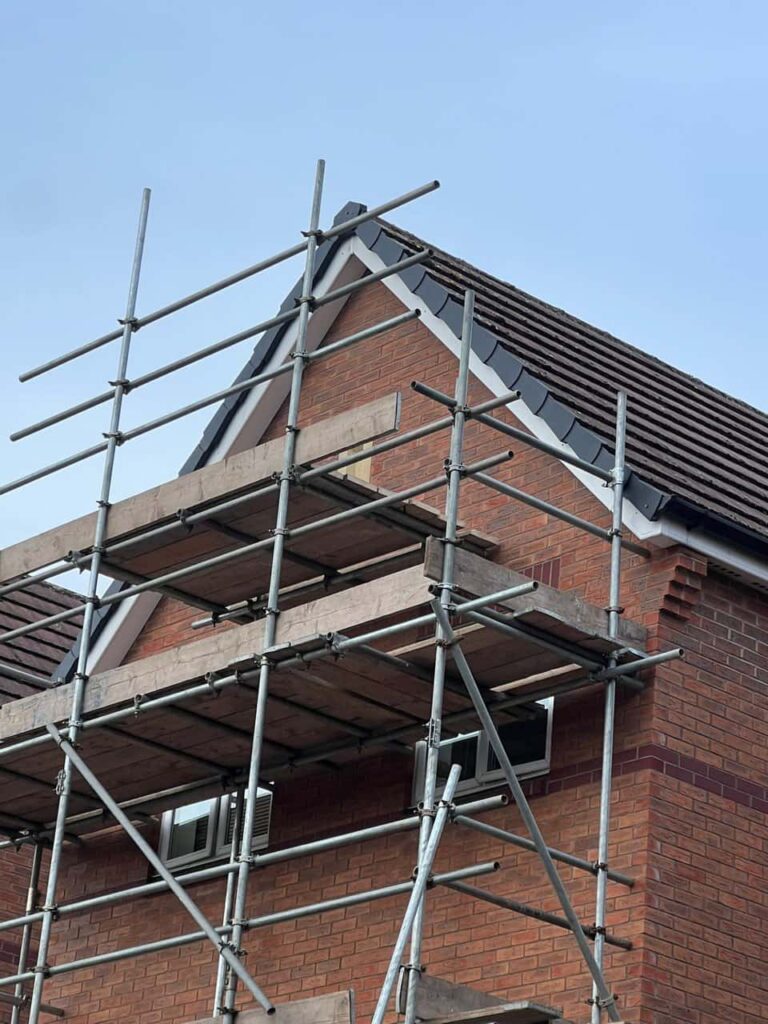
Roof tiles are available in many materials, sizes, profiles and finishes, but they are not universally suitable for every pitched roof. A tile that performs well on one property may be inappropriate for another because of differences in roof pitch, structural support, exposure and design.
Choosing tiles solely for their appearance can lead to poor water shedding, excessive structural loading or unreliable fixing. For property owners in Criklade, Wiltshire, professional assessment is essential when selecting tiles for a new roof, replacement covering or substantial repair.
What Determines Whether a Roof Tile Is Suitable?
A pitched roof must work as one complete system. The tiles, underlay, battens, fixings, flashing and drainage details all need to be compatible with the roof’s construction and expected conditions.
The Pitch of the Roof
The roof pitch is one of the most important factors when selecting tiles. Rainwater moves away more quickly on a steep slope, while a lower-pitched roof drains more slowly and can be more exposed to wind-driven rain.
Every tile design has a suitable pitch range. Using a tile below its intended minimum pitch may allow water to enter through the joints or overlaps. Low-pitched roofs often require tiles specifically designed to provide reliable coverage at shallower angles.
Tile Profile and Water Shedding
Tile profiles affect how rainwater travels across the roof. Interlocking tiles are designed to connect along their sides, while plain tiles rely on carefully arranged overlaps.
The chosen profile must provide sufficient coverage for the roof pitch and exposure. Deeply profiled, flat and plain tiles all behave differently, so their gauge and overlap should be calculated according to the specific product and roof design.
The Weight of the Tiles
Roof tiles vary considerably in weight. Concrete, clay and other materials place different loads on the roof structure, particularly across large areas.
Before changing from one tile type to another, the supporting structure should be assessed. A roof designed for a lighter covering may not be suitable for a heavier material without additional consideration. Weight should therefore be evaluated before the visual style is finalised.
The Roof’s Exposure to Weather
Some roofs experience greater wind and rain exposure because of their height, orientation or surroundings. Tiles in exposed positions require an appropriate fixing method and reliable resistance to wind uplift.
Roof edges, ridges, hips and verges are particularly vulnerable. The choice of tile must be supported by suitable fixings and carefully formed details across these areas.
The Shape and Complexity of the Roof
A simple roof with broad, uninterrupted slopes may accommodate a wide selection of tiles. More complex roofs containing valleys, dormers, hips, chimneys or changes in pitch require additional consideration.
Large-format tiles may be less convenient around numerous junctions because more cutting is required. Smaller tiles can sometimes follow complicated shapes more naturally, although the correct choice depends on the complete roof design.
The Existing Battens and Tile Gauge
Tiles are supported by horizontal battens positioned at calculated intervals. Different products require different batten spacing, headlaps and fixing arrangements.
When replacing an existing tile with another type, the original battens may not be suitable. The roof covering cannot simply be exchanged without checking whether the supporting layout matches the new tile specification.
Compatibility With the Underlay and Fixings
Tiles form the primary weather-resistant surface, but the layers beneath them are equally important. Underlay provides secondary protection, while battens and fixings keep the covering aligned and secure.
These components should be selected as part of one coordinated system. Incorrect nails, clips or fixing patterns can allow tiles to move, even when the tile itself is suitable for the roof pitch.
Clay and Concrete Tiles Perform Differently
Clay and concrete tiles can both provide reliable roof coverings, but they differ in weight, appearance, dimensions and weathering characteristics.
Clay tiles are often chosen for their natural colour variation and established appearance. Concrete tiles are available in numerous profiles and finishes. Neither material is automatically better for every roof; suitability depends on the structure, pitch and required detailing.
Plain Tiles and Interlocking Tiles
Plain tiles are relatively small and are laid with substantial overlaps. Their format can suit detailed roof shapes and create a traditional appearance, but they require many individual units and carefully controlled spacing.
Interlocking tiles are generally larger and connect at their sides. They can provide efficient coverage across broad roof slopes, but each product has specific pitch and overlap requirements. The roof design should guide the choice rather than appearance alone.
Matching Tiles During Roof Repairs
When only part of a roof requires repair, the replacement tiles should be compatible with the existing covering. Similar-looking tiles may differ in width, profile, interlock position or hanging arrangement.
An unsuitable replacement may sit unevenly, create weak joints or disturb neighbouring tiles. Professional identification is particularly important where the original product is older or no longer readily available.
Appearance Still Matters
Technical suitability should come first, but the tiles also influence the character of the property. Colour, texture, size and profile should work with the roof shape and external materials.
A professional roofer can help narrow the options to products that satisfy the roof’s practical requirements before considering the preferred finish. This prevents an unsuitable material from being chosen solely for its appearance.
Signs That Existing Tiles May Be Unsuitable
Possible signs of an unsuitable or poorly integrated covering include:
- Water entering despite tiles appearing intact
- Insufficient overlap between courses
- Tiles lifting or moving repeatedly
- Uneven rows or poorly aligned joints
- Excessive cutting around junctions
- Cracking linked to inadequate support
- Persistent problems on lower-pitched sections
These symptoms may also have other causes, so the complete roof should be inspected before conclusions are drawn.
Why Professional Tile Selection Matters
Selecting roof tiles requires accurate measurement and an understanding of how the covering will perform in practice. A professional roofer considers pitch, structure, exposure, roof shape, battens, drainage and fixing requirements together.
This approach helps prevent tile movement, water ingress and premature deterioration. It also ensures that the selected covering can be installed consistently across the main slopes and more complex roof details.
Conclusion
Not all roof tiles are suitable for every pitched roof. Pitch, tile profile, structural capacity, exposure, roof shape and installation requirements all affect which product will perform reliably.
If you are planning roof replacement or tile repairs in Criklade, Wiltshire, contact LJ Roofing Criklade for a professional assessment. The team can examine the roof and recommend tiles that are appropriate for its design, condition and practical requirements.
Call us on: 01793 569 197
Click here to find out more about LJ Roofing Criklade
Click here to complete our contact form and see how we can help with your roofing needs.