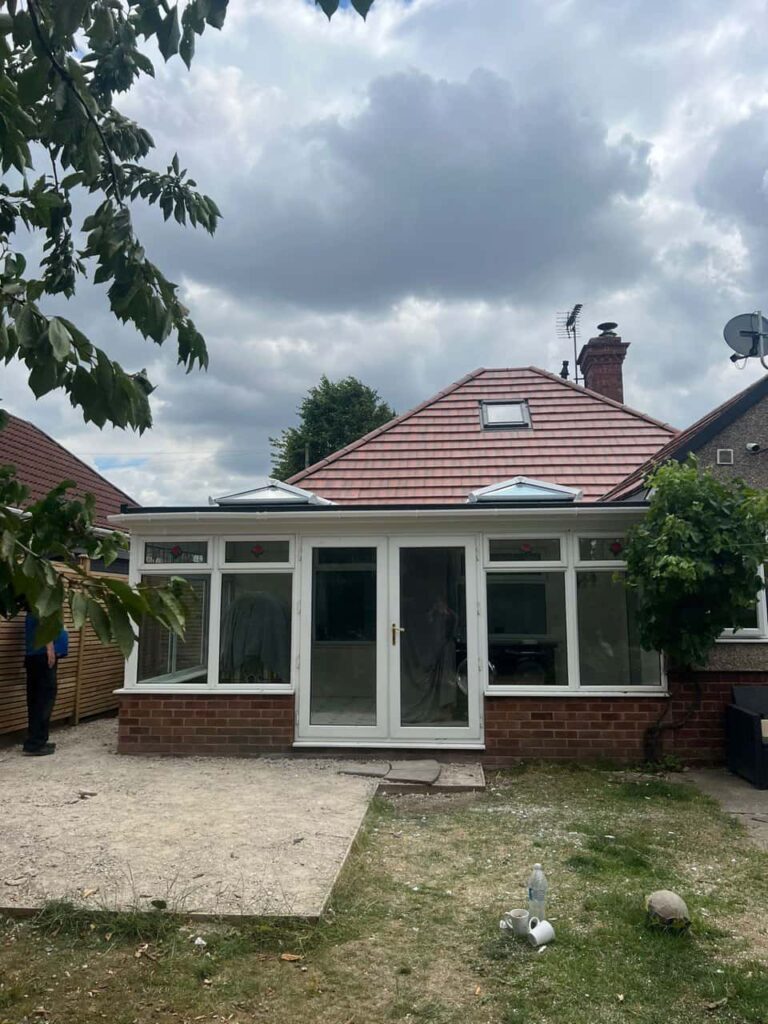
When a roof develops a visible defect, attempting a quick repair can appear straightforward. A displaced tile, small leak or damaged section of flashing may seem manageable, particularly when the source of the problem looks obvious. However, roofing faults are often more complex than they first appear.
A successful roof repair depends on accurate diagnosis, safe access, compatible materials and the correct installation technique. Without these elements, a temporary improvement may conceal the symptoms while water continues to affect the roof beneath the surface. For property owners in Criklade, Wiltshire, understanding the difference between DIY work and professional roof repair can help prevent further deterioration.
Why Professional Roof Repair Is Usually the Reliable Approach
Roofing is a complete system rather than a collection of separate tiles. The covering, underlay, battens, flashing, fixings, drainage and supporting structure all work together. Effective repairs must account for how these components interact.
Finding the Actual Source of a Leak
The point where water appears indoors is not necessarily where it entered the roof. Moisture can travel along rafters, underlay and other surfaces before reaching a ceiling or wall.
A damp patch may be caused by a damaged tile, defective flashing, a problem around a chimney, a worn roof junction or more than one fault. Treating only the visible symptom can allow the original defect to remain active. An experienced roofer follows the likely path of the water and examines connected areas before deciding how the repair should be completed.
Safe and Suitable Roof Access
Working at roof level requires more than a ladder and a clear day. Roof pitches, fragile coverings, restricted access points and changing weather conditions can all affect how the area should be approached.
Tiles and slates can also become slippery or break when weight is placed incorrectly. Professional access enables the roof to be examined closely without causing avoidable damage to sound materials. It also allows the roofer to inspect areas that may not be visible from the ground.
Identifying Hidden Deterioration
Surface damage does not always show the full extent of a roofing problem. A missing tile may have allowed moisture to affect the underlay or battens, while deteriorated chimney mortar may have contributed to problems with nearby flashing.
Simply replacing the most obvious damaged component may therefore be insufficient. Professional roof repairs begin with an assessment of the surrounding area, helping to identify whether concealed materials also require attention.
Using Compatible Roofing Materials
Roof coverings and repair materials are not interchangeable. Tiles can differ in profile, size, fixing method and weight, while flashing and flat-roof materials must be compatible with the existing system.
An unsuitable replacement may sit incorrectly, interrupt water flow or place pressure on neighbouring materials. Experienced roofers select components that suit the roof and install them in a way that maintains its intended weather resistance.
Applying the Correct Repair Technique
The quality of a repair depends heavily on how it is completed. Tiles must be positioned and secured correctly, flashing must direct water away from vulnerable junctions, and flat-roof repairs require careful preparation and dependable bonding.
Covering a crack with sealant or applying a patch without preparing the surface may provide only short-lived protection. Professional techniques are designed to address the cause of the defect and integrate the repair with the surrounding roof.
Avoiding Damage to Nearby Materials
Walking across a roof or lifting tiles without understanding their fixing pattern can damage components that were previously sound. Brittle tiles may crack, underlay can tear and incorrectly disturbed flashing may no longer form an effective seal.
A trained roofer knows how to expose the affected area while limiting disruption to neighbouring materials. This is particularly important on older roofs, where components may be more vulnerable to movement.
Recognising When a Small Repair Is Not Enough
Some defects are genuinely localised and can be resolved with focused repair work. Others are warning signs of wider deterioration. Repeated leaks, widespread tile movement, sagging sections and faults appearing across several roof slopes may require a broader assessment.
Professional experience helps distinguish between an isolated problem and evidence that the wider roofing system is beginning to fail. This prevents repeated patching where a more complete repair would provide a dependable result.
Why Temporary Measures Can Be Misleading
A temporary covering may reduce visible water entry, but it does not confirm that the roof has been repaired. Moisture could remain trapped beneath the covering, and changing weather may reopen the original route into the property.
The apparent disappearance of a leak can also be misleading if rainfall has changed direction or intensity. A proper inspection is needed to confirm whether the defect has been corrected rather than temporarily concealed.
The Value of a Professional Assessment
Professional roof repair is valuable because it combines diagnosis, access, material knowledge and practical technique. Each of these factors contributes to a repair that deals with the underlying problem instead of concentrating solely on its most visible effect.
LJ Roofing Criklade can assess roofing defects in Criklade, Wiltshire, explain what is causing the problem and determine the most appropriate repair. This provides property owners with clear information before work begins and helps avoid unnecessary disturbance to unaffected sections of the roof.
Conclusion
DIY roof repairs can overlook hidden damage, use unsuitable materials or treat the wrong area. Even when a fault appears minor, reaching it safely and repairing it correctly requires an understanding of the complete roofing system.
Professional experience makes it possible to trace leaks, inspect surrounding materials and apply a repair suited to the roof. If you have noticed a leak, damaged tile or another roofing concern in Criklade, Wiltshire, contact LJ Roofing Criklade to arrange a professional assessment and identify the right next step.
Call us on: 01793 569 197
Click here to find out more about LJ Roofing Criklade
Click here to complete our contact form and see how we can help with your roofing needs.